
Why a consumer unit gets replaced
Homeowners often start thinking about the fuse box when they see old-style fuses, run out of circuit space or plan a substantial new electrical load. A consumer unit replacement can also follow an EICR where the existing protection or condition needs improvement. The board is important, but fitting a new one is not a substitute for checking the wiring it supplies. Sean can discuss the reason for replacement, inspect the existing arrangement and identify work that may be needed alongside it. Describe any recent tripping or other concerns rather than treating the job as a simple like-for-like swap. Include your postcode and any existing electrical report in the initial request.
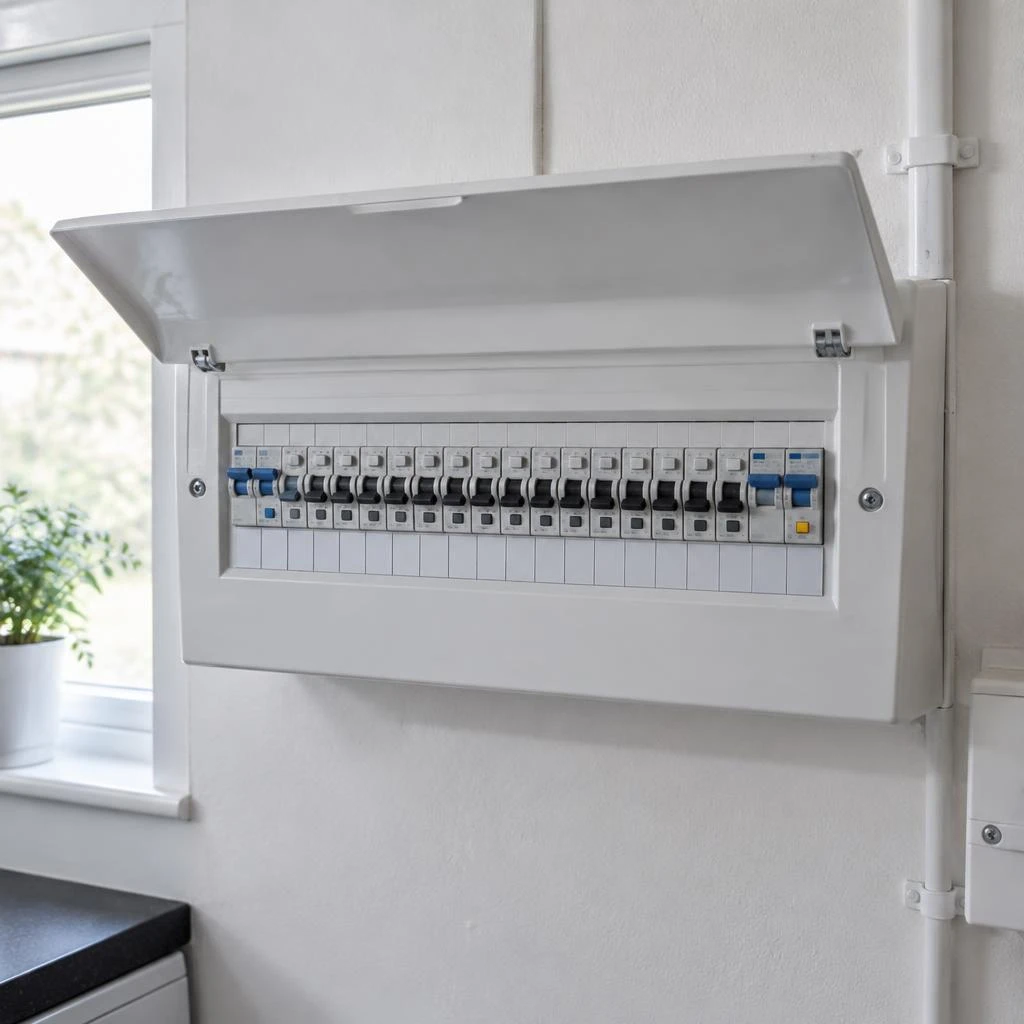
RCDs, RCBOs and modern protection
A residual current device, or RCD, detects certain leakage faults and disconnects the supply to help reduce the risk of electric shock. An RCBO combines residual current protection with overcurrent protection for an individual circuit. Arrangements differ, and the right design depends on the installation and the applicable requirements of BS 7671. A metal enclosure may be relevant to a domestic replacement, but its appearance alone does not tell you whether the rest of the installation is safe. The guide to RCBO and dual RCD consumer units explains the practical differences without expecting you to understand a technical specification.
Testing before an upgrade
Existing circuits should be assessed before they are connected to new protective devices. Damaged insulation, shared neutrals, earthing issues or alterations can become apparent during testing. A circuit that appeared to work with older equipment may not behave correctly under a new protection arrangement. Identifying these issues allows the scope of remedial work to be discussed rather than hiding them behind a replacement board. An EICR can provide a wider account of the installation’s condition. The age of a fuse box is a useful clue, but the condition of the actual circuits is what needs establishing.
Planning the replacement day
Access will be needed to the consumer unit, supply equipment and the circuits being tested. Electrical isolation is necessary during the changeover, so plan for a period without power and mention any essential medical or operational equipment beforehand. The length of the interruption depends on the installation and the work identified; it cannot responsibly be promised from a brief message. Keep the fuse box area clear and make relevant rooms accessible. If faults need tracing or correcting, the job may involve more than the position where the board is mounted. Those possibilities should be part of the conversation before work starts.
Circuit identification and certification
Connections need to be checked, circuits identified and protective devices tested as part of the completed work. Labelling makes it easier to understand which circuit serves which part of the property. Relevant certification should be provided for the work, and any required notification considered. Keep the documents with the property’s electrical records, particularly if you may sell, rent or commission more work later. A replacement certificate records the work carried out; it does not mean that every possible future fault has been ruled out. If testing identifies limitations or outstanding observations, those should be understood rather than overlooked.
Adding circuits and looking ahead
An EV charger, an extension or new electric heating can change the demands on your electrical installation. Discuss planned additions while the consumer unit design is being considered. Capacity includes more than spare physical spaces: the incoming supply, cable ratings and distribution arrangement all matter. A sensible layout can allow for known requirements without pretending to future-proof every possible change. Where the wiring itself is deteriorated or unsuitable, a partial or full rewire may be the more appropriate subject to investigate. Follow the links below to inspections, rewiring and the explanation of different protective arrangements.
What to check in the proposed scope
Before accepting work, ask which parts of the existing installation will be tested and what happens if a circuit needs repairs. Establish whether the proposal covers the board alone or includes identified remedial tasks. A useful scope also makes clear how access, certification and any applicable notification are handled. These questions are practical rather than an invitation to specify protective equipment yourself. The person designing the installation needs to select suitable devices and explain their role. Mention anything important to the household, including work-from-home equipment, alarm arrangements or occupants with particular needs. Electrical isolation cannot be avoided by relying on a promise from a generic website. It needs planning for the property and the connections being made. If you have photographs or records, share them without opening the enclosure or touching internal parts.
Living with the new circuit arrangement
After replacement, make sure you understand the labels and which circuits they identify. A device operating later is a reason to assess the circumstances, not a reason to repeatedly force it back on. If an appliance, damaged accessory or wiring issue causes a trip, the protection may be responding correctly. Keep a note of the event and contact an electrician where the issue recurs or there are warning signs. Never replace a protective device with a higher rating to stop an interruption. That can undermine protection of the circuit rather than address its fault. Store the completed paperwork with earlier reports so the installation history remains clear. When a future addition is planned, such as a new shower or charging point, have the demand and circuit requirements checked. The new board should not be treated as permission to connect any load without design and testing.