
Lighting that fits how a room is used
A kitchen may need clear light at worktops, while a living area can benefit from separate control of practical and softer lighting. Start with the activities and positions that matter rather than simply filling a ceiling with downlights. Furniture, room finishes and natural daylight can all influence the effect. Explain what you want to change about the current lighting and whether the room is being refurbished. That makes it easier to consider the positions of fittings and switches before electrical routes or finished surfaces become difficult to alter.
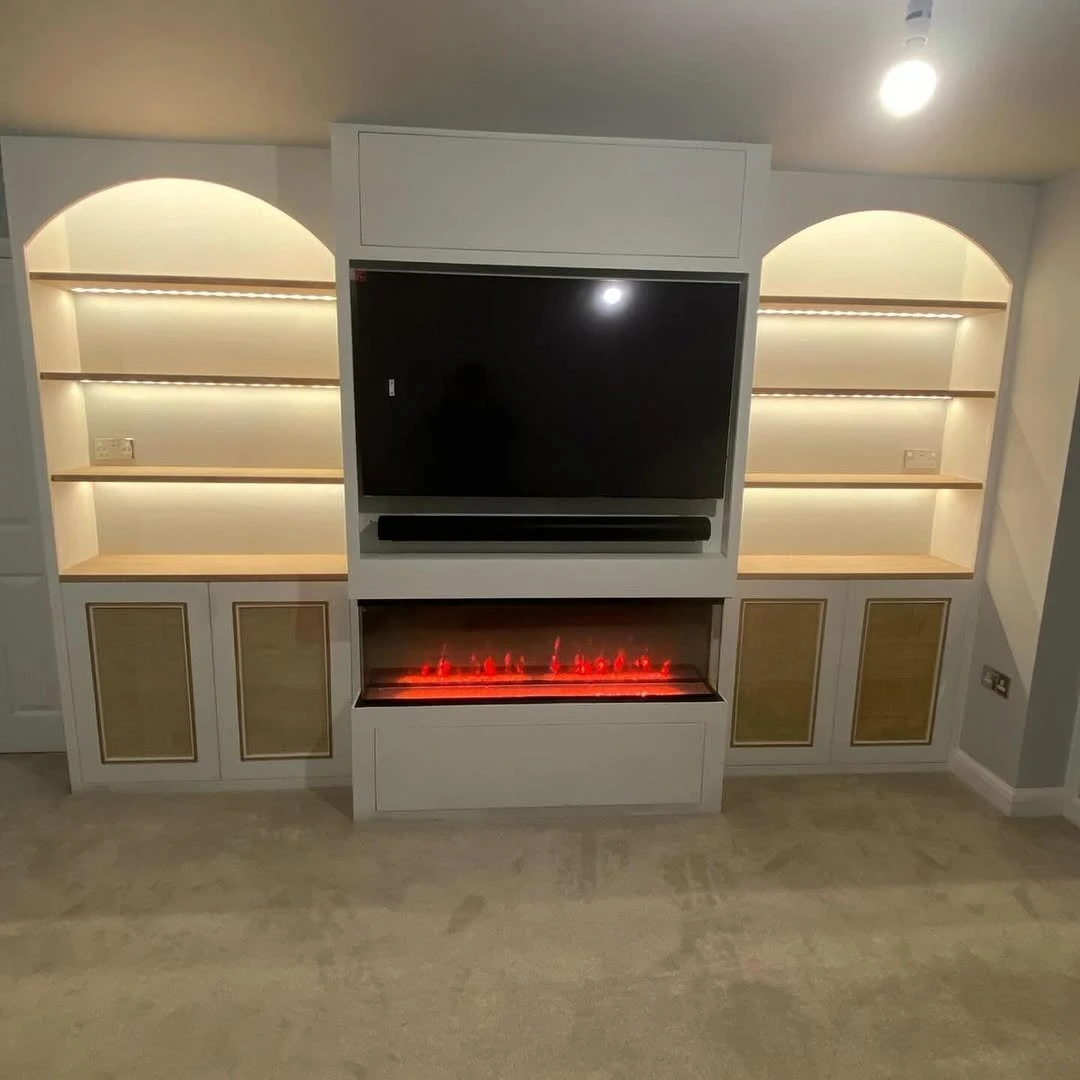
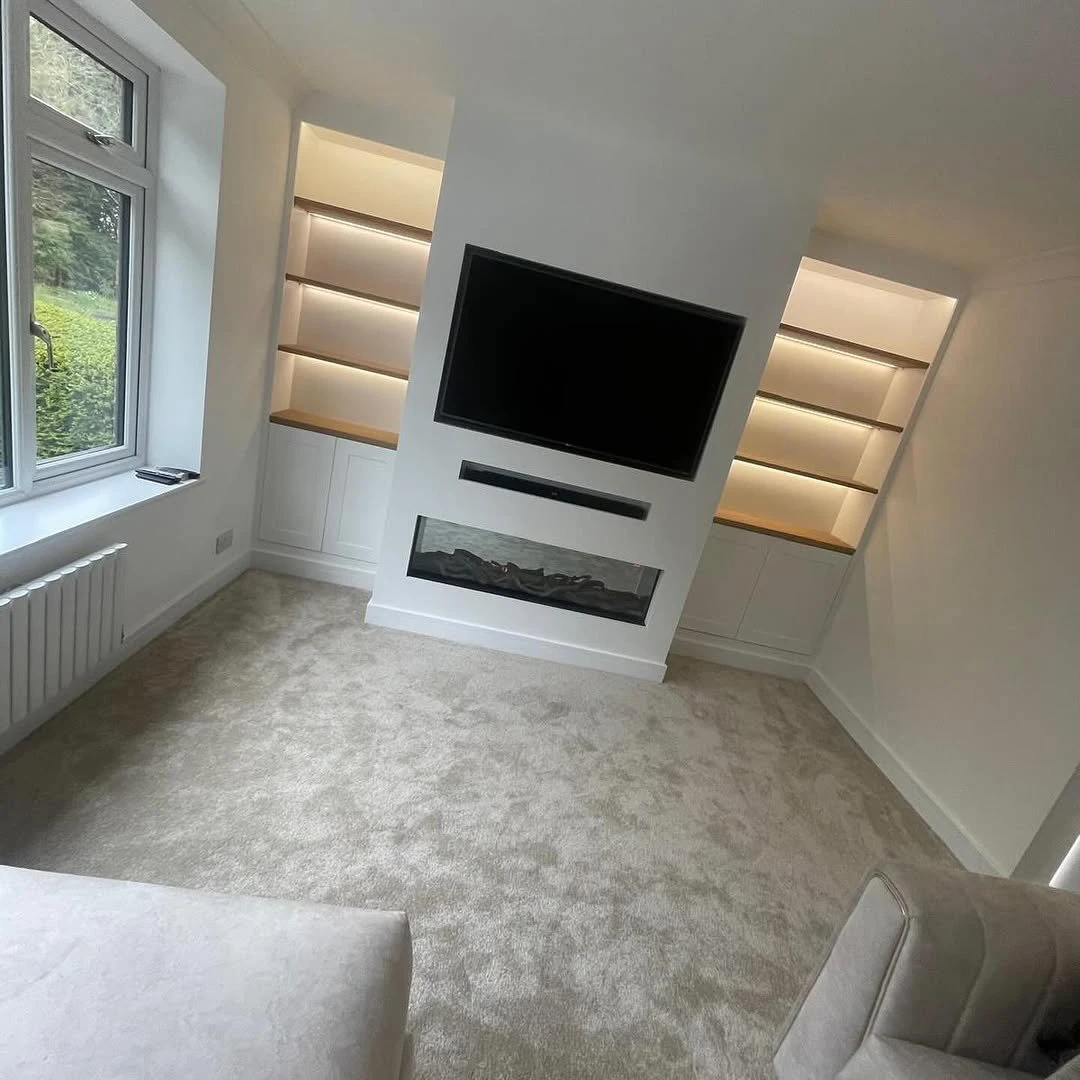
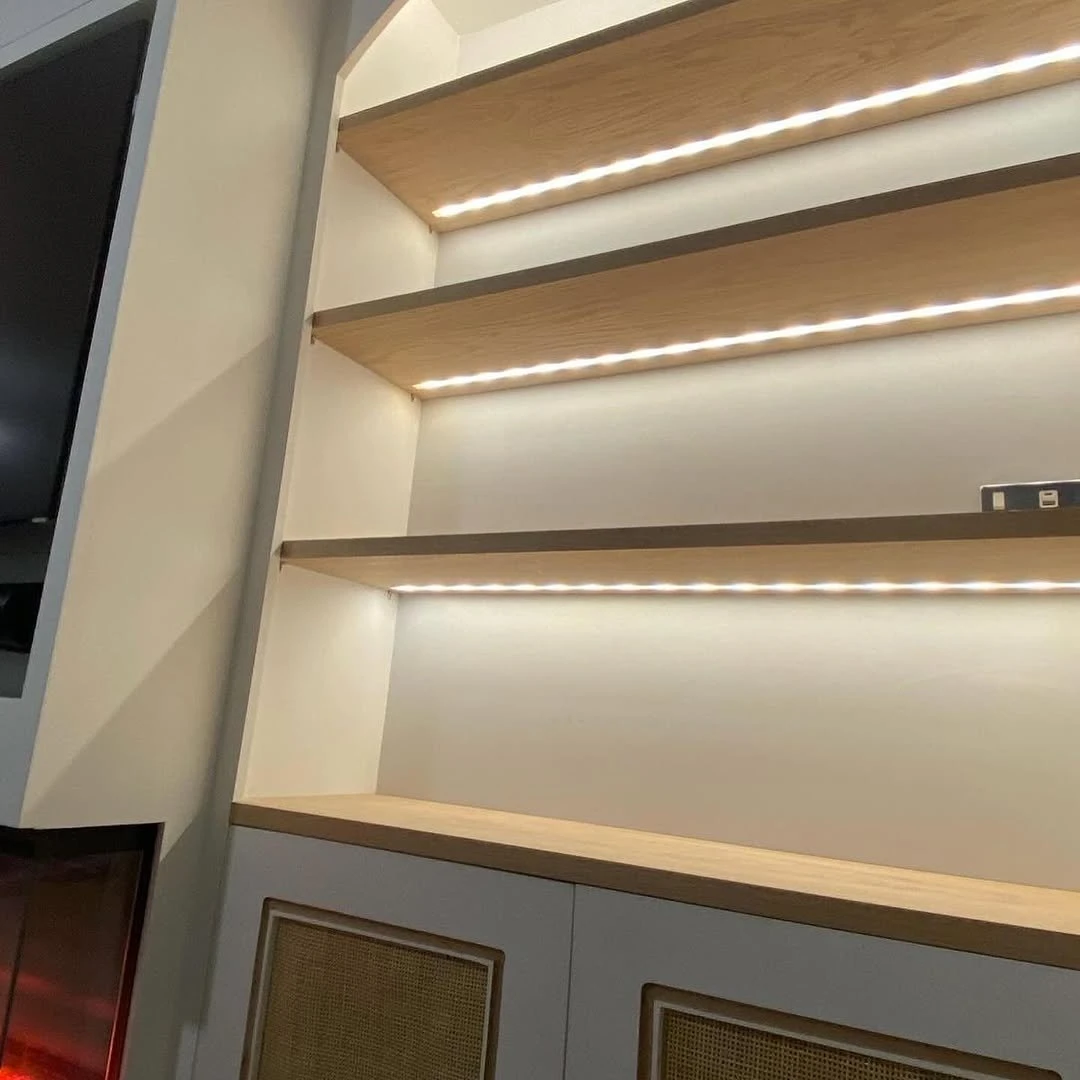
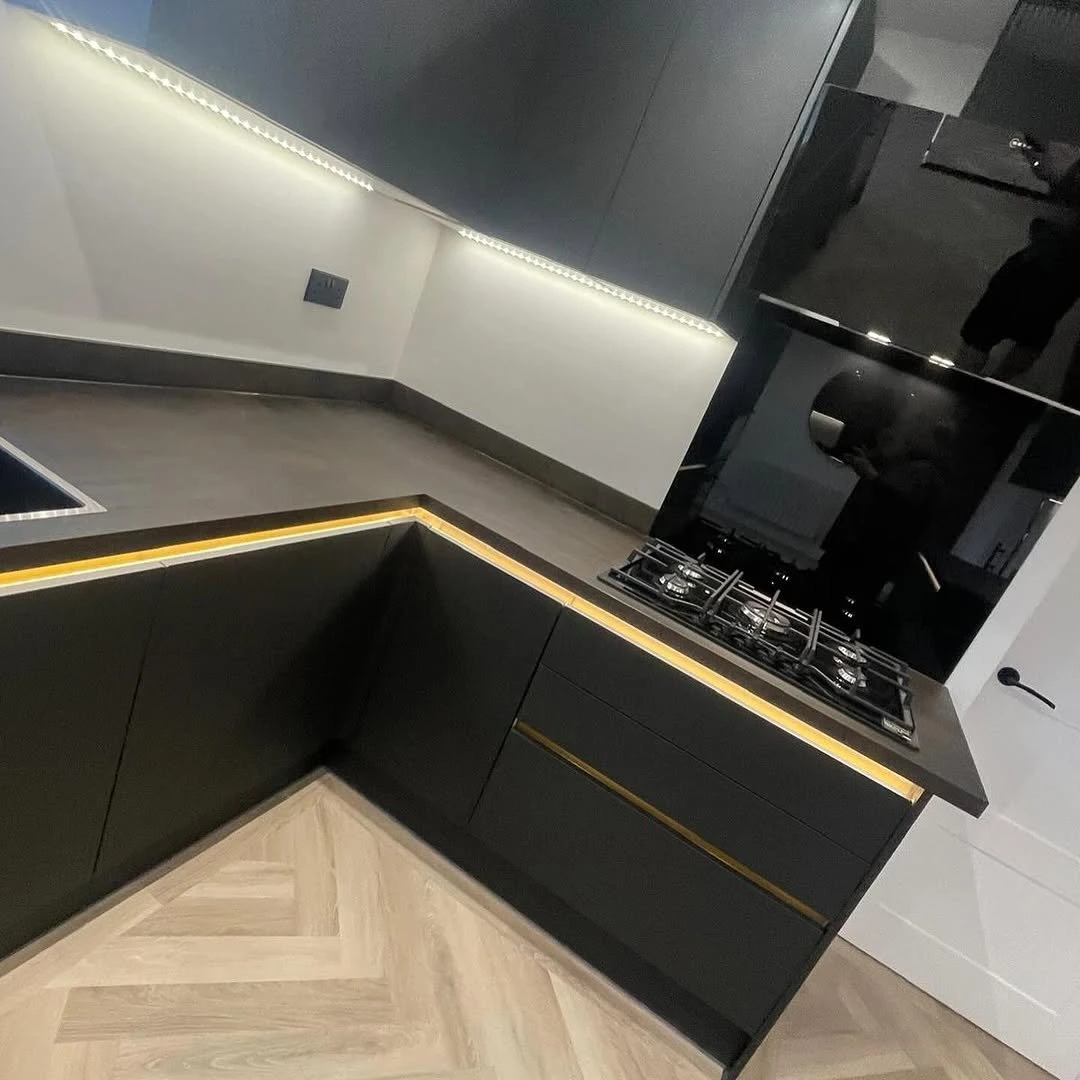
Downlights, fittings and installation details
LED lighting is available in different fittings, outputs and colour temperatures. The right choice involves more than appearance. Ceiling construction, surrounding insulation and the product’s installation requirements need consideration. A fitting suitable in one location is not automatically suitable in a bathroom, exposed outdoor position or another environment. Access above a ceiling can affect the route for new wiring and the practicality of replacing existing fittings. Any holes, making good and decoration should be discussed as part of the wider project. Electrical work should follow the relevant requirements rather than treating a downlight as a decorative item alone.
Dimming and compatibility
Not every LED lamp or driver works properly with every dimmer. An unsuitable combination may flicker, buzz or fail to dim as expected. Product compatibility should be checked before equipment is selected, including the range of control you actually want. If replacing lamps in an existing system, the old dimmer may be part of the decision. Do not assume that a label saying LED proves that all other equipment is compatible. Tell Sean about existing controls and any problems you have noticed. A coordinated choice of fittings, drivers and controls is more useful than selecting each part independently.
App and voice control
Smart lighting can provide scheduling, scenes or remote control, depending on the chosen system. Some products use a hub, others rely on a network connection, and compatibility with voice assistants varies. Consider what happens if the connection is unavailable and whether a physical switch should remain part of the normal routine. Everyone using the property should be able to operate the lights sensibly. Privacy, accounts and service terms associated with a smart product are separate from the electrical installation. Check those details with the manufacturer rather than assuming every smart system works in the same way.
Planning a lighting enquiry
Provide the postcode, rooms or areas involved and a description of the result you want. Mention whether ceilings are accessible, whether the space is occupied and whether other refurbishment work is planned. If an existing circuit has a fault, it may need investigating before controls are added. Outdoor lighting has additional design questions and is covered on the garden lighting page. For commercial spaces, operating hours and maintenance access can matter as much as the appearance of fittings. A conversation about the actual space helps define a useful scope without invented savings or performance promises.
Make the controls understandable
Think about guests, other household members and anyone who needs straightforward physical switching. A lighting scene available only through one person’s phone may not suit the normal use of a room. Discuss the preferred routine, then check how the selected system supports it. Keep the product instructions and any account arrangements separate from the electrical paperwork. If you later replace a dimmer, driver or lamp, check compatibility again rather than assuming the new part will behave like the original. The layout should reflect everyday use as well as the appearance of the fittings.
Record what you want to keep
If parts of the existing lighting are working well, say which positions and controls you want retained. A new lighting project does not have to mean changing every fitting. The retained equipment still needs compatibility and condition consideration where it interacts with new parts. Share any product details you have, and explain whether you want a complete redesign or a focused alteration. That distinction helps keep the proposed work aligned with your actual priorities.